Xiaoyan Li | 李笑言

Research Projects

Papers and systems, newest first. Each entry shows a figure or animation from the paper or its repository; click it to browse the full gallery. Bold marks me, * marks the corresponding author.

2026

IACD dual-perspective reasoning figure2 figs

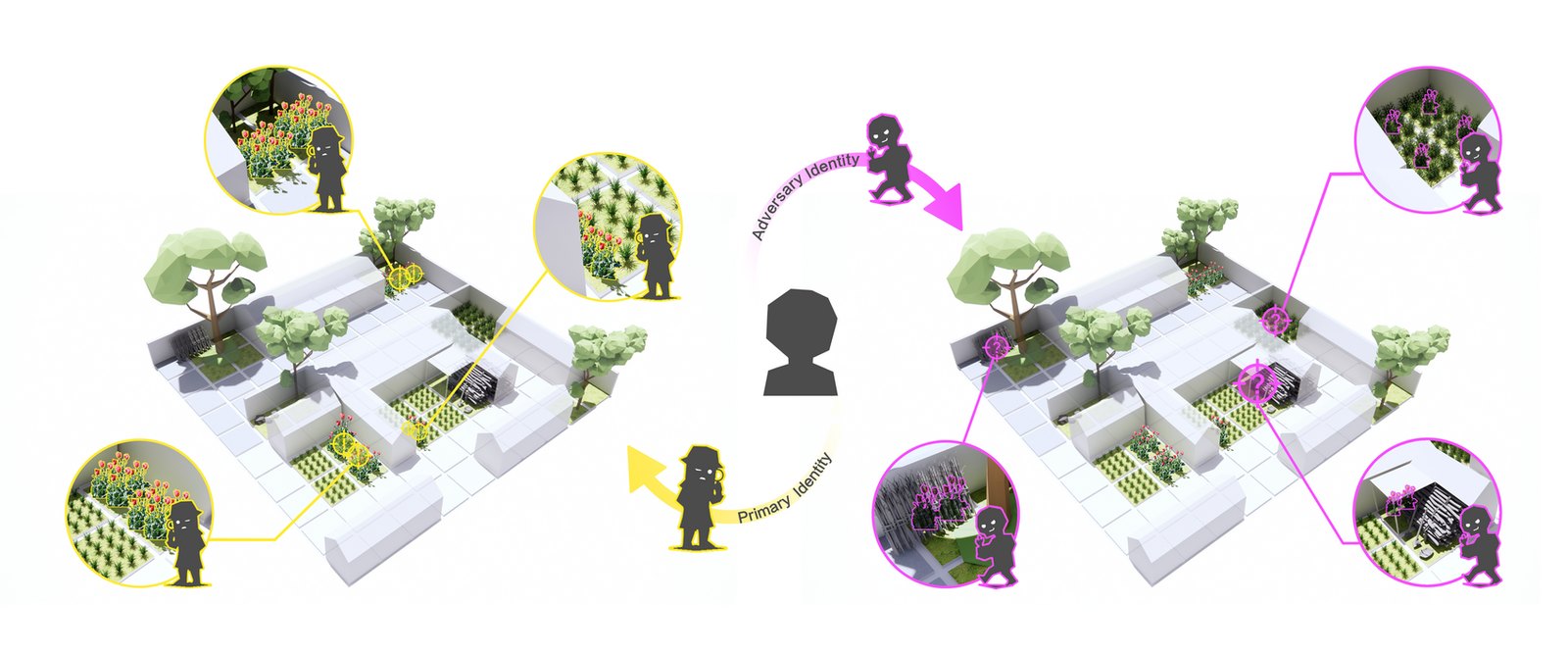
IACD: Iterative Adversarial Collaborative Detection via Dual-Perspective Blind Spot Discovery

Xiaoyan Li, Cuicui Jiang, Jiaoping Chen, Rumei Yang

European Conference on Computer Vision (ECCV), 2026

codetheory (EART)

A frozen pretrained detector (the Seeker) is paired with a lightweight trainable Hider that reasons inversely: given the environment, where would a target hide? The Hider finds the Seeker's blind spots and residually amplifies neck features before a second pass, without retraining the base detector. Validated on illicit poppy cultivation and UAV imagery.

Computer Vision
Temporal dynamics hierarchy across cortical networks3 figs

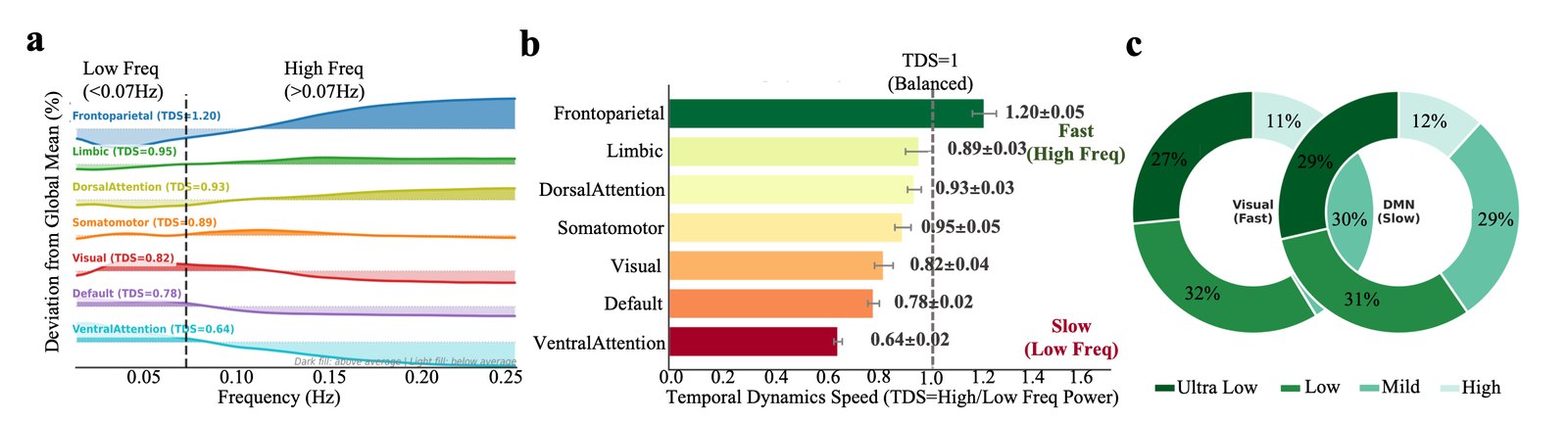
The Temporal Efficiency Paradox: Fast Brains React, Slow Brains Understand

Cuicui Jiang, Xiaoyue Ding, Xingyue Liu, Jiaxuan Wei, Xiaoyan Li*

Annual Meeting of the Cognitive Science Society (CogSci), 2026

code

Across seven functional networks, slow integrative networks encode movie content better than fast sensory ones, and LSTM encoding models beat ridge regression uniformly: temporal integration, not reaction speed, is where the encoding advantage lives.

Brain × AI
Animated cortical encoding mapsGIF · 5

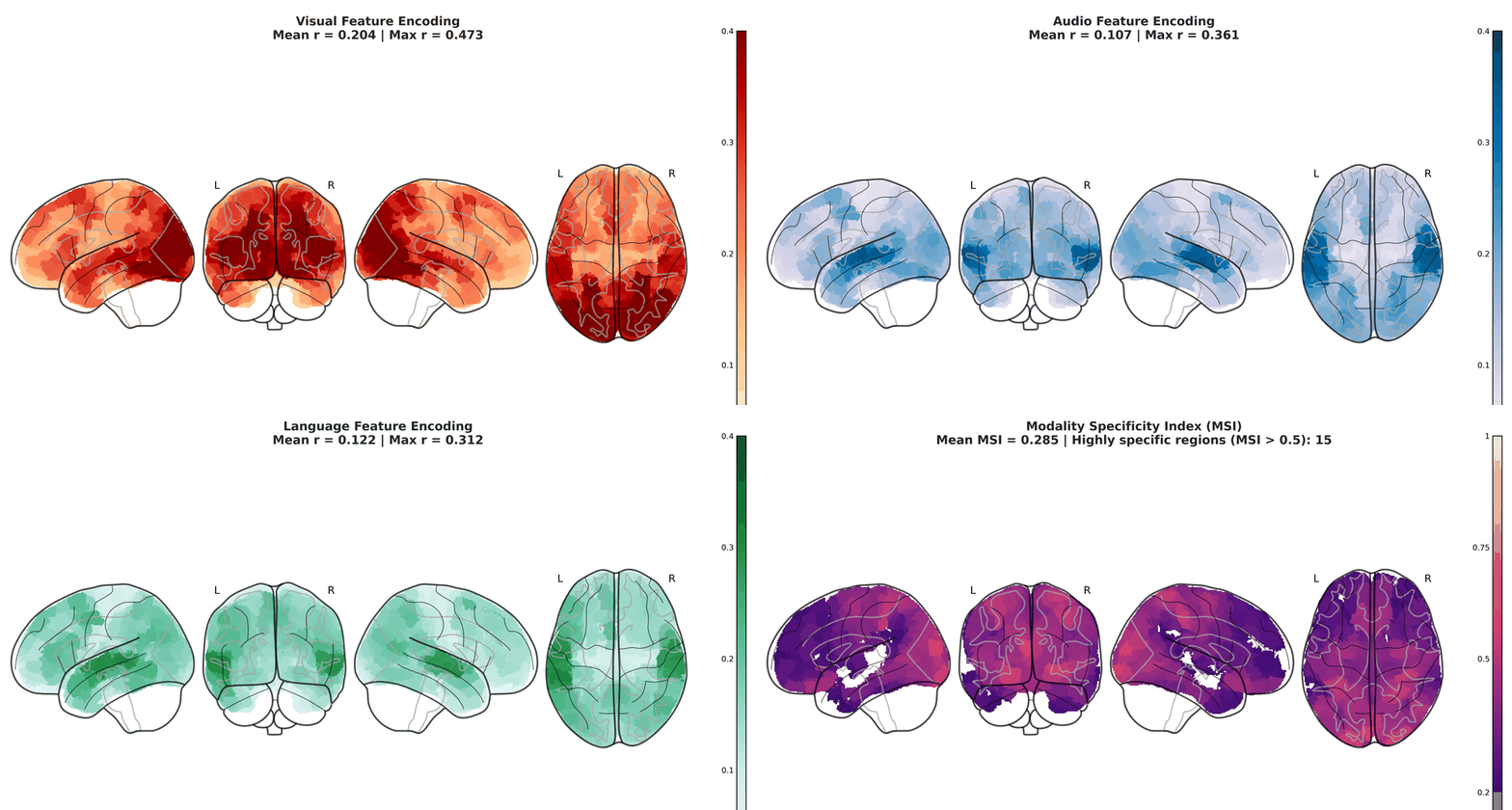
Apparent Inefficiency, Hidden Optimality: Why the Brain's Multimodal Attention Does Not Track Feature Strength

Xiaoyue Ding, Cuicui Jiang, Rumei Yang, Jiaoping Chen, Xiaoyan Li*, Yujia Du

IEEE International Conference on Bioinformatics and Biomedicine (BIBM), 2026

code

Cortical attention allocation dissociates from the raw strength of visual, auditory and language features in naturalistic movies. What looks like inefficiency is consistent with an optimal integration strategy.

Brain × AI
Brain encoding maps for Theory-of-Mind regions5 figs

Attention Mechanisms for Theory of Mind: Weak Brain-Transformer Alignment Despite Behavioral Success

Xiaoyan Li, Cuicui Jiang, Jiaoping Chen*, Rumei Yang, Xingyue Liu, Jiaxuan Wei

IEEE BIBM, 2026 · regular paper

code

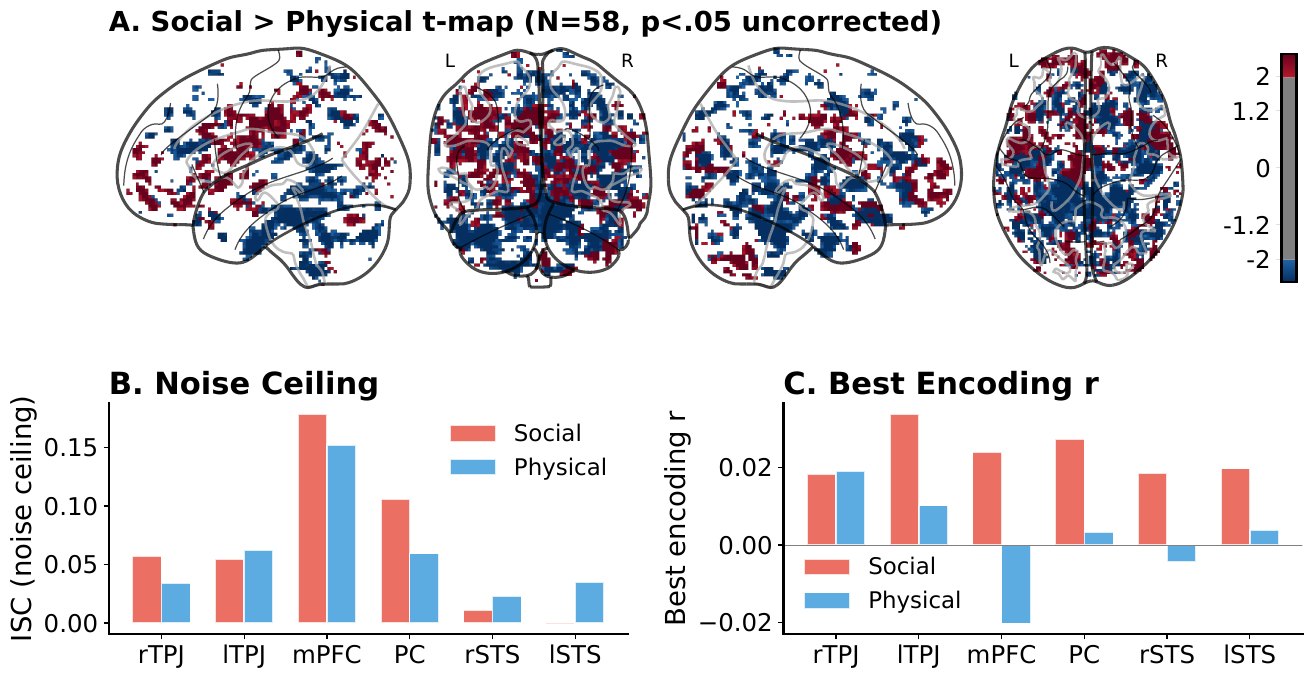
Linear probes on GPT-2, Mistral and Qwen hidden states separate social from physical narratives with up to 98% accuracy, yet time-resolved encoding of fMRI from 58 participants shows only weak alignment with the brain's Theory-of-Mind network, and none survives FDR.

Brain × AILLMs
Animated network sweep of stability under cognitive loadGIF · 6

Network Stability as the Hallmark of Neural Efficiency Under Cognitive Load

Xiaoyan Li, Cuicui Jiang, Yujia Du, Jiaxuan Wei, Xingyue Liu, Jiaoping Chen*

IEEE BIBM, 2026 · short paper

code

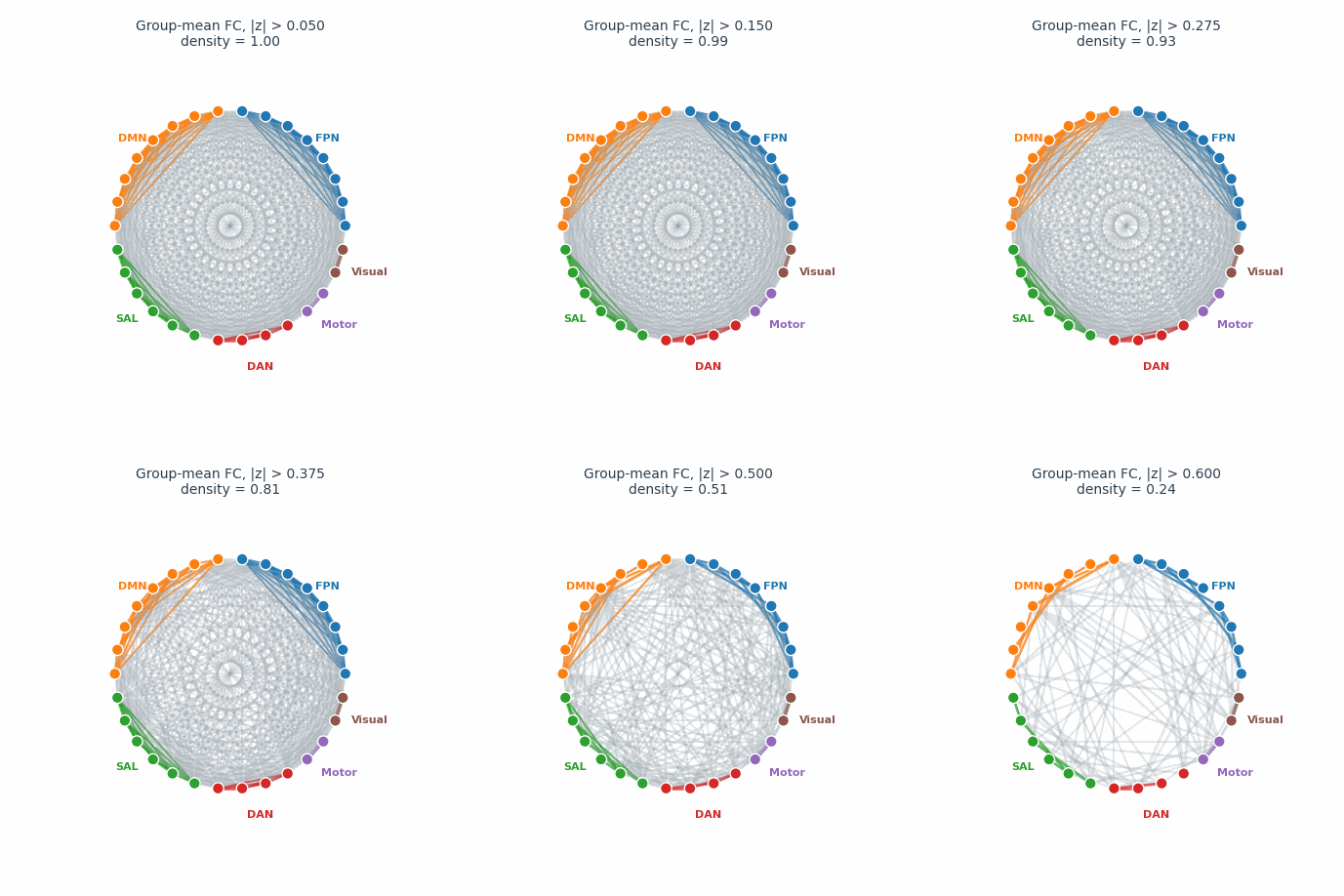
With N-back working-memory fMRI (N = 200), both efficiency groups show nearly identical, minimal change in modularity from low to high load. Stability, not reorganisation, is the signature of efficiency, and a leakage audit shows why high "brain-based" classifier accuracies in this design cannot be trusted.

Brain × AI
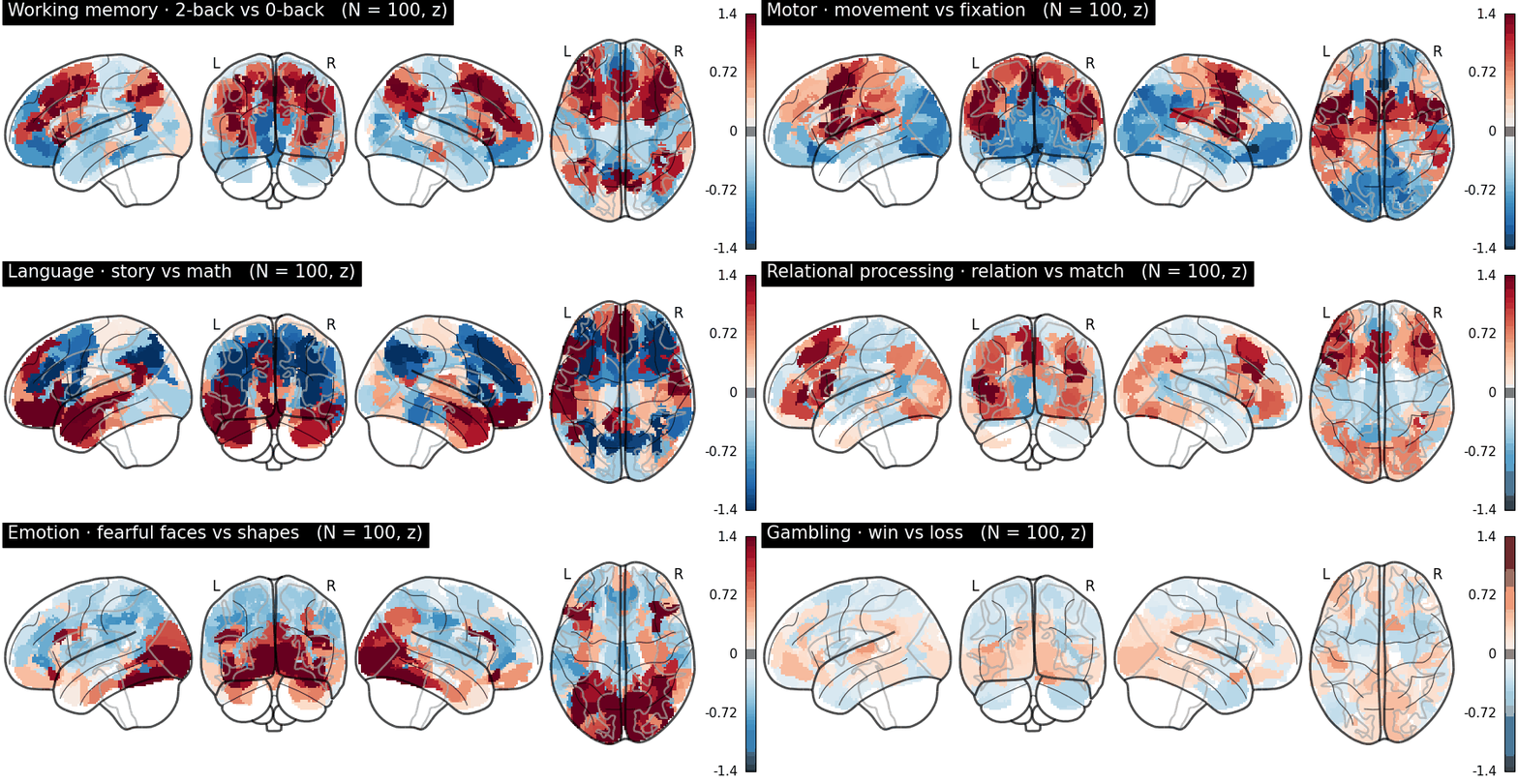
Animated task activation maps on the cortexGIF · 5

Routing-Level Signatures of Cognitive Efficiency: Only Inter-Subject Routing Consistency Survives FDR, with a Pairwise-Correlation Caveat

Xiaoyan Li, Cuicui Jiang, Jiaoping Chen, Yujia Du, Jiaxuan Wei, Xingyue Liu, Rumei Yang*

IEEE BIBM, 2026 · regular paper

code

Of four candidate routing signatures in multi-task HCP fMRI, only inter-subject routing consistency survives FDR (d = 0.52). Treating within-group pairwise correlations as independent overstates significance by about 28 orders of magnitude; a label-permutation null fixes it. Cortex and MoE expert routing share no detectable category structure.

Brain × AIMoE
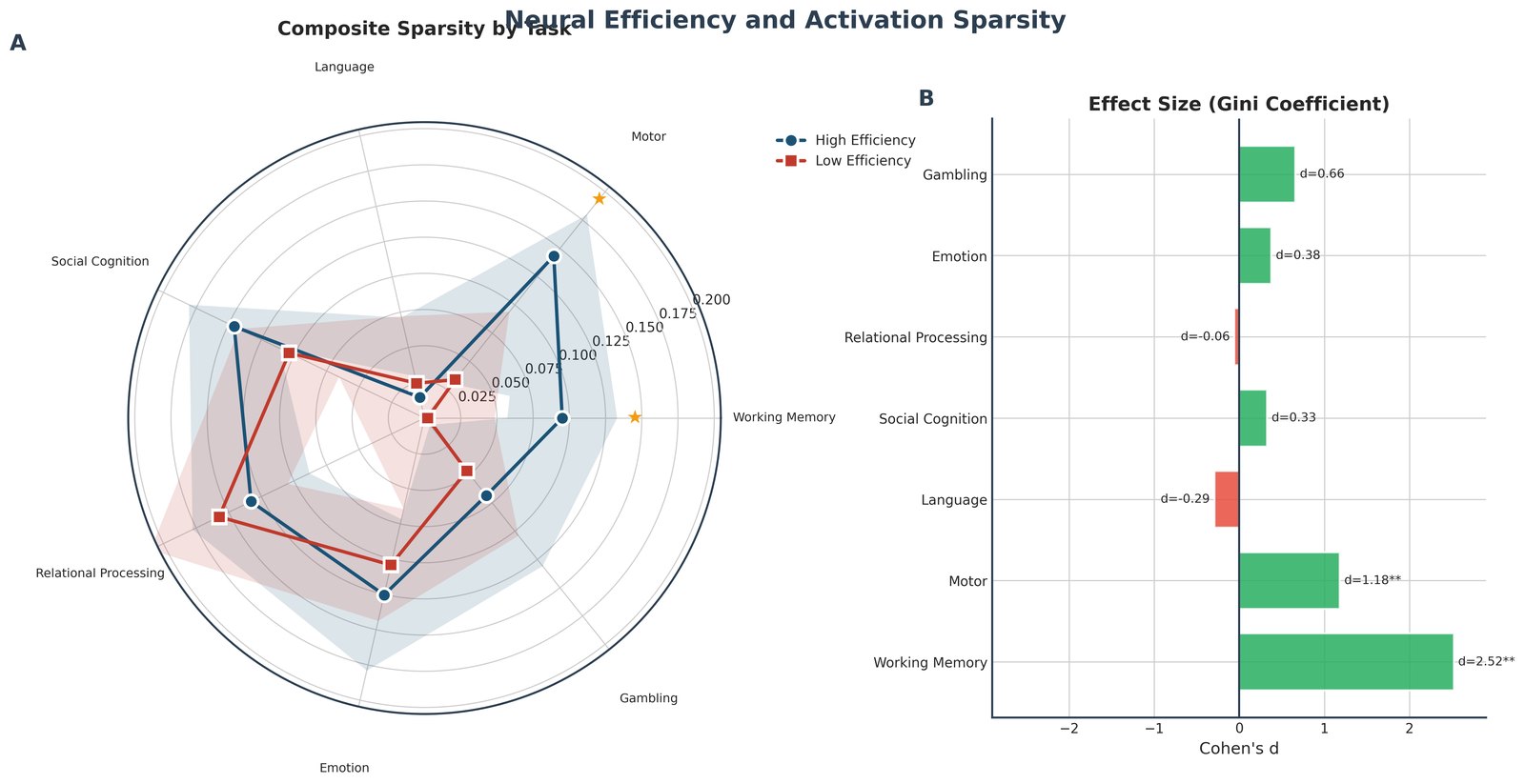
Radar plot of neural sparsity across task domains2 figs

Do Foundation Models Think Like Efficient Brains? Comparing Sparse Routing Mechanisms in Biological and Artificial Intelligence

Xiaoyan Li et al.

Tsinghua Science and Technology, 2026 · under review

code

Mixture-of-Experts models route each token through a sparse subset of experts; efficient brains recruit sparser, more selective activation. We compare expert routing in Switch, Qwen-MoE and DeepSeek with task-fMRI activation sparsity to ask whether the two share a computational principle.

Brain × AIMoE
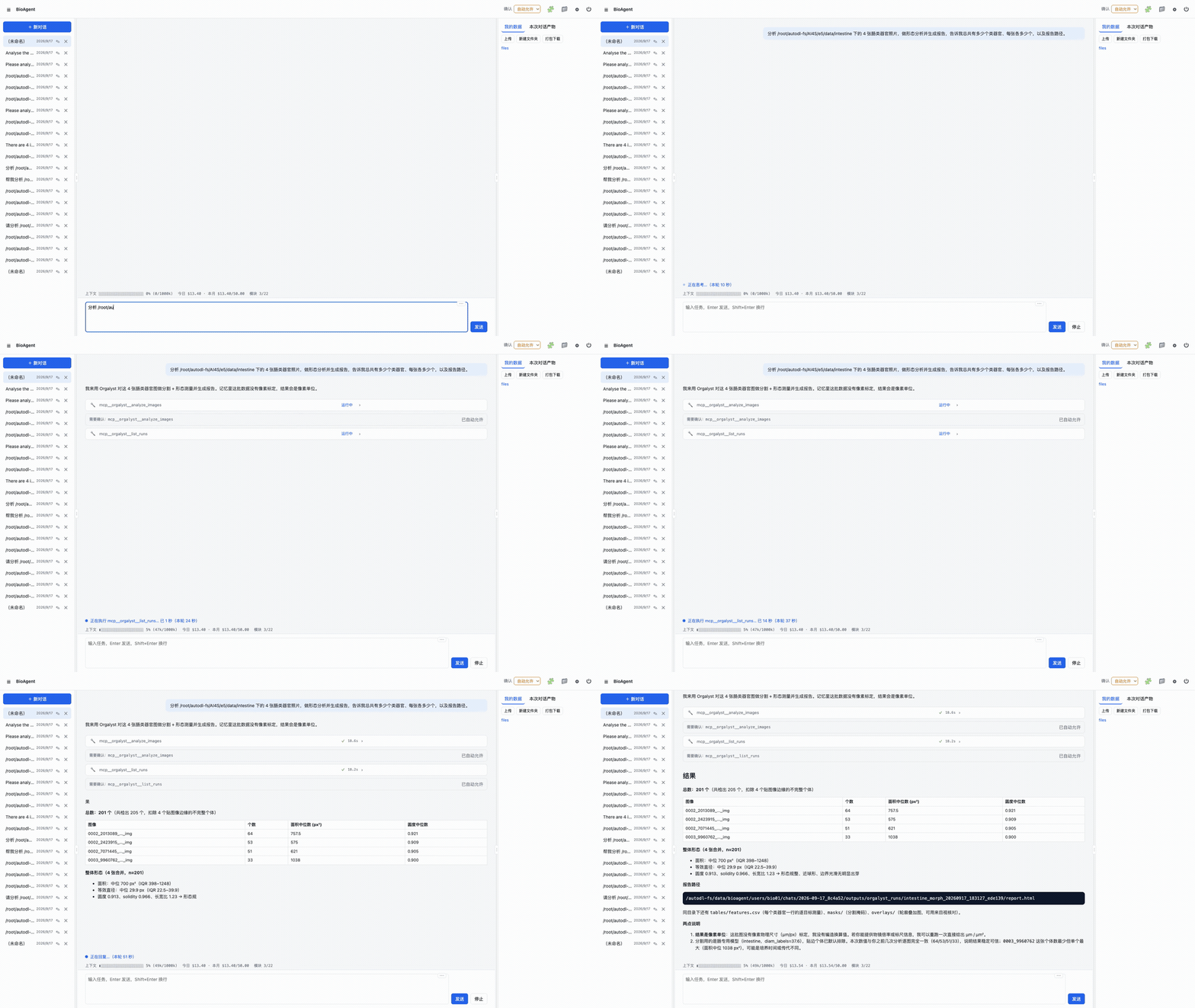
Animated Orgalyst session analysing organoid imagesGIF · 4

Orgalyst: Conversational Analysis of Organoid Bright-Field Images

Team Orgalyst Lab (lead: Xiaoyan Li)

AI4S Open Innovation · 5th Pazhou Algorithm Competition, AI + Organ-on-a-Chip · end-to-end system

codedemo videoarchitecture video

A conversational system for organoid microscopy: segmentation, counting, morphology, growth and QC are computed by a deterministic toolkit, and an assistant that knows the protocol plans the analysis and writes a reproducible report. Works across brain, colon, intestine, lung and PDAC organoids.

Biomedical AILLM agent
🎭

EART: Embodied Adversarial Reasoning Theory

Xiaoyan Li et al.

Thinking Like the Adversary: cognitive identity transformation in embodied AI

code

A theoretical framework in which an embodied agent temporarily adopts the cognitive perspective of its adversary, inspired by how investigators reason about concealment. The conceptual basis of IACD.

TheoryCV

2025

CareAttenNet architecture3 figs

CareAttenNet: Deep Learning Framework with Temporal Attention for Automated Nursing Activity Recognition from Wearable Sensors

Xiaoyan Li†, Cuicui Jiang†, Zhiming Jiang, Caihong Li, Zhenzhen Xie, Li Liu, Chuan Song, Zijing Chen* († equal contribution)

IEEE BIBM, 2025

code

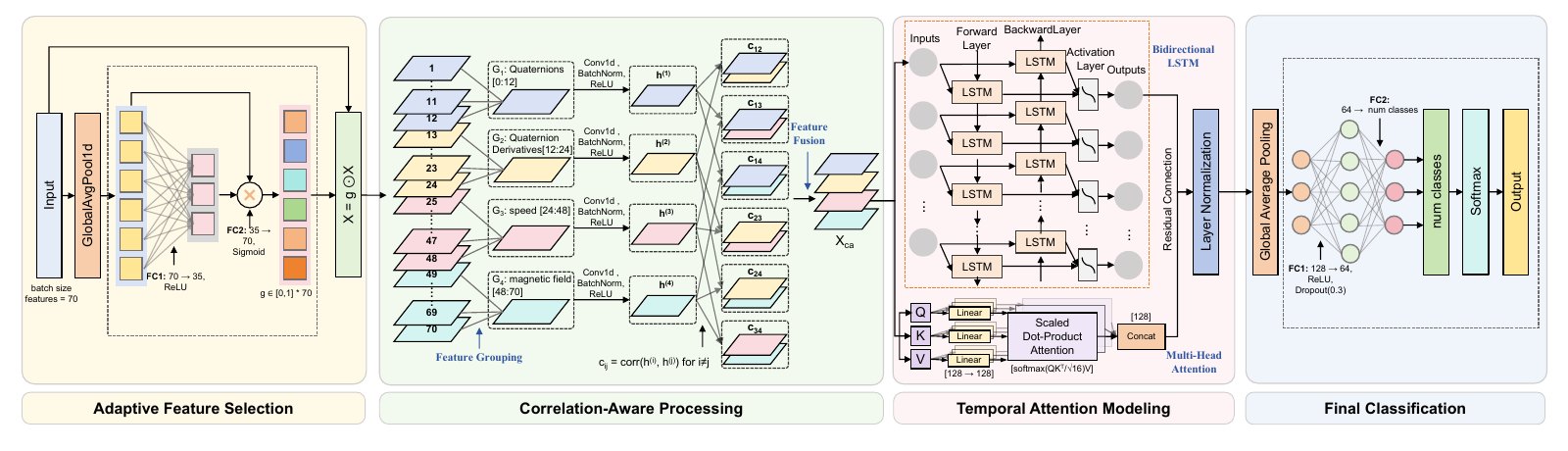
Recognises 20 nursing activities from wearable sensor data (SONAR) through adaptive feature selection, correlation-aware processing and a bidirectional LSTM with multi-head temporal attention, with ablations over each component.

Biomedical AI
Overview of the multimodal psoriasis diagnosis framework3 figs

A Multi-modal Deep Learning Framework for Psoriasis Diagnosis by Integrating Unaffected Fingernail Morphology and Clinical Indicators

Xiaoyan Li†, Ruizhen Liu†, Cuicui Jiang†, Zijing Chen, Rebecca Lahr, Yehong Kuang*, Liwen Xu* († equal contribution)

IEEE BIBM, 2025

code

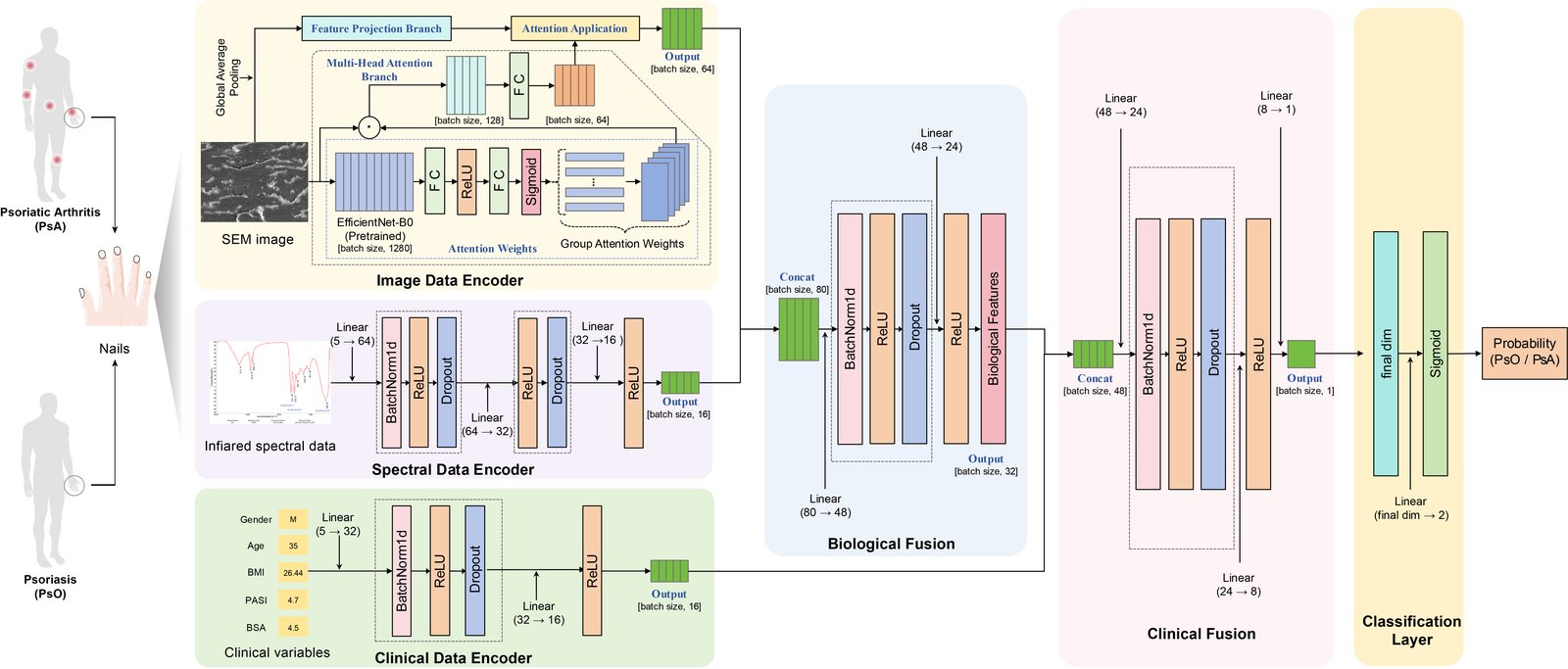
A biologically inspired hierarchical fusion network that integrates clinical indicators, infrared spectroscopy biomarkers and scanning electron microscopy of unaffected fingernails to distinguish psoriatic arthritis from psoriasis.

Biomedical AI

2024

2021

🏆

1st Place, NeurIPS 2021 Single-Cell Multimodal Analysis Competition

Team DANCE (Xie's AI Lab, Michigan State University), incl. Xiaoyan Li

NeurIPS 2021 Competition Track · 1st place

code

The first graph neural network to predict RNA expression from chromatin accessibility, achieving the overall lowest RMSE (0.2835) among all competing teams. Built on a heterogeneous GNN that removes batch effects by passing messages along gene-pathway edges.

Biomedical AIGNN

2020

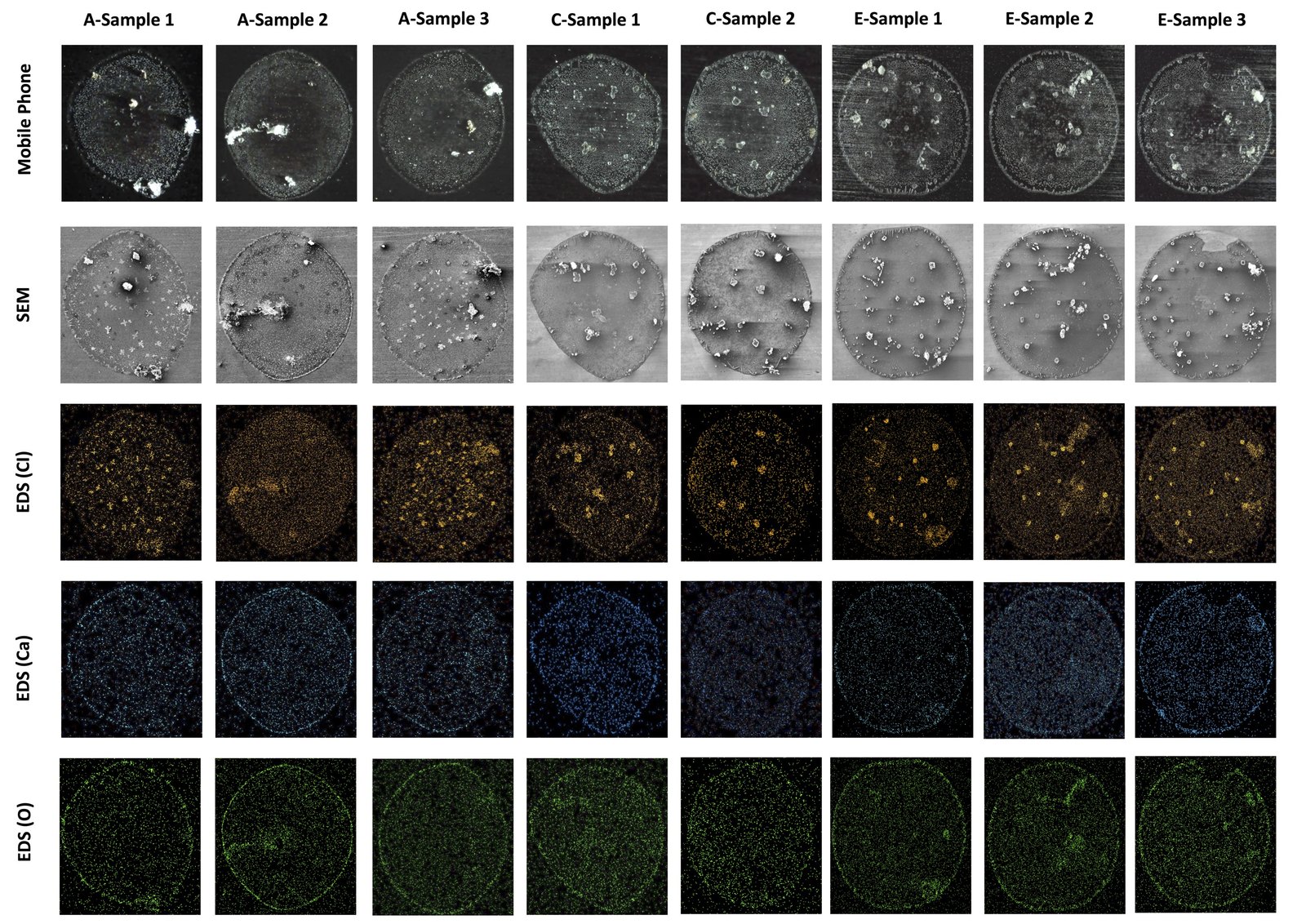
Grid of coffee-ring images of tap water samples2 figs

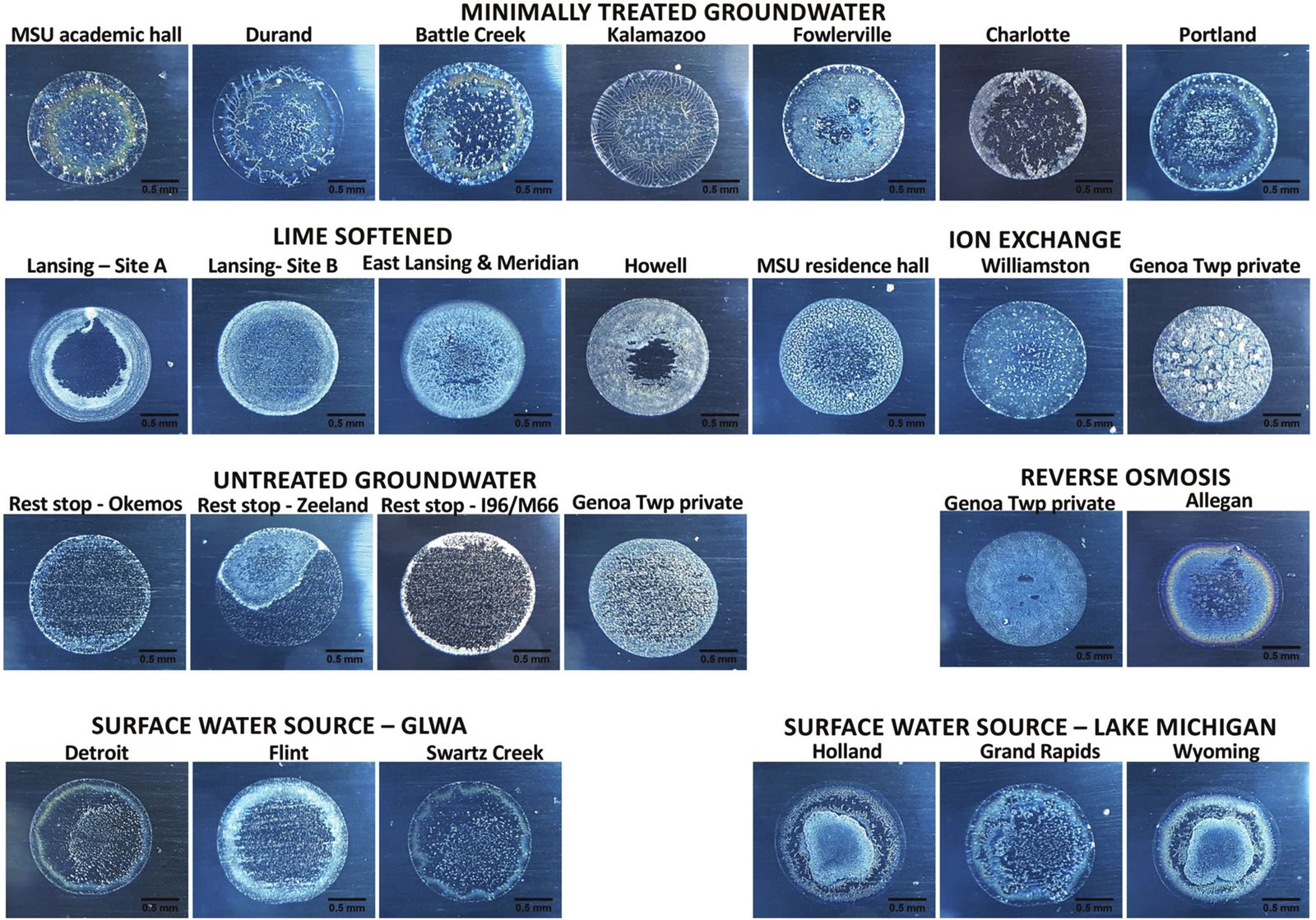
Tap Water Fingerprinting Using a Convolutional Neural Network Built from Images of the Coffee-Ring Effect

Xiaoyan Li, Alyssa R. Sanderson, Selett S. Allen, Rebecca H. Lahr

Analyst, 145(4), 1511–1523, 2020

papercode & data

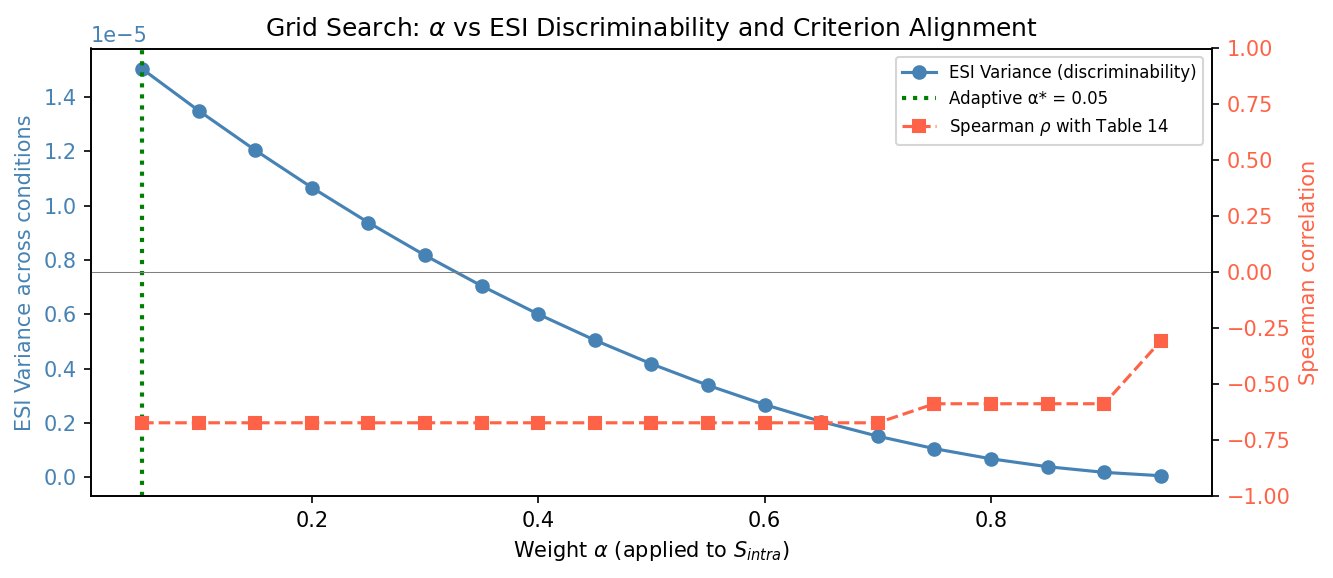
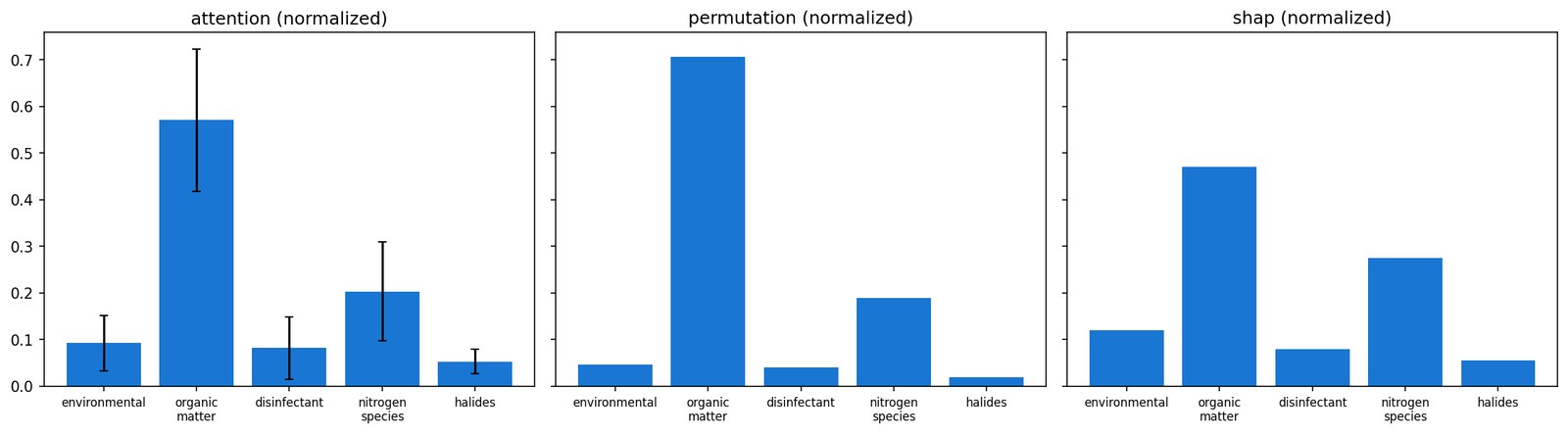
A one-dollar, seconds-long water test: a droplet dried on aluminium leaves a residue that a phone camera images through a loupe, and a CNN classifies the pattern into water-chemistry groups with accuracy comparable to human clustering. Basis of the later Transformer-U-Net that quantifies contaminant concentrations.

Environmental AICV